
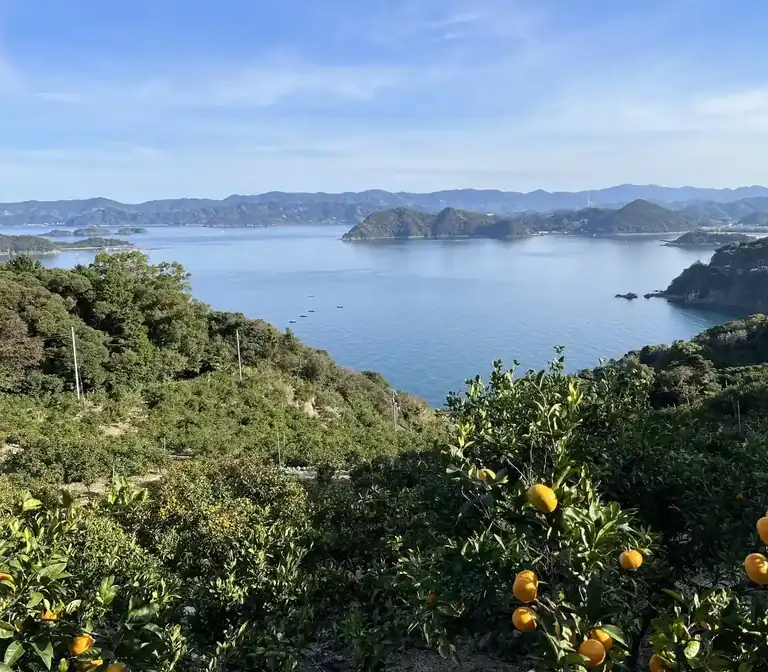
Wakayama’s agricultural landscapes are as distinctive as its coast and hot springs. Peaches and persimmons grow around the Kinokawa River, mandarins cover slopes in Arida, and Nanko ume is closely associated with Minabe and Tanabe. Different seasons offer different local flavors.
Wakayama Fruit Seasons at a Glance
| Season | representative fruit | common periods |
|---|---|---|
| winter and spring | strawberry | Approximately December to April |
| winter and spring | Hassaku, stored mandarin orange | Approximately January to April, depending on variety and storage method |
| early summer | Nanko ume plums | About June |
| summer | peach | About June to August |
| summer to early autumn | Grapes, pears, figs | Approximately summer to September |
| Autumn to early winter | persimmon | Approximately September to December |
| autumn and winter | Arida mikan mandarins | Mainly from October to December |
The production season is a general reference. Varieties, facility cultivation, storage methods and the climate of the year may all change the actual time to market.
Arida Mikan: Autumn & Winter Mandarins
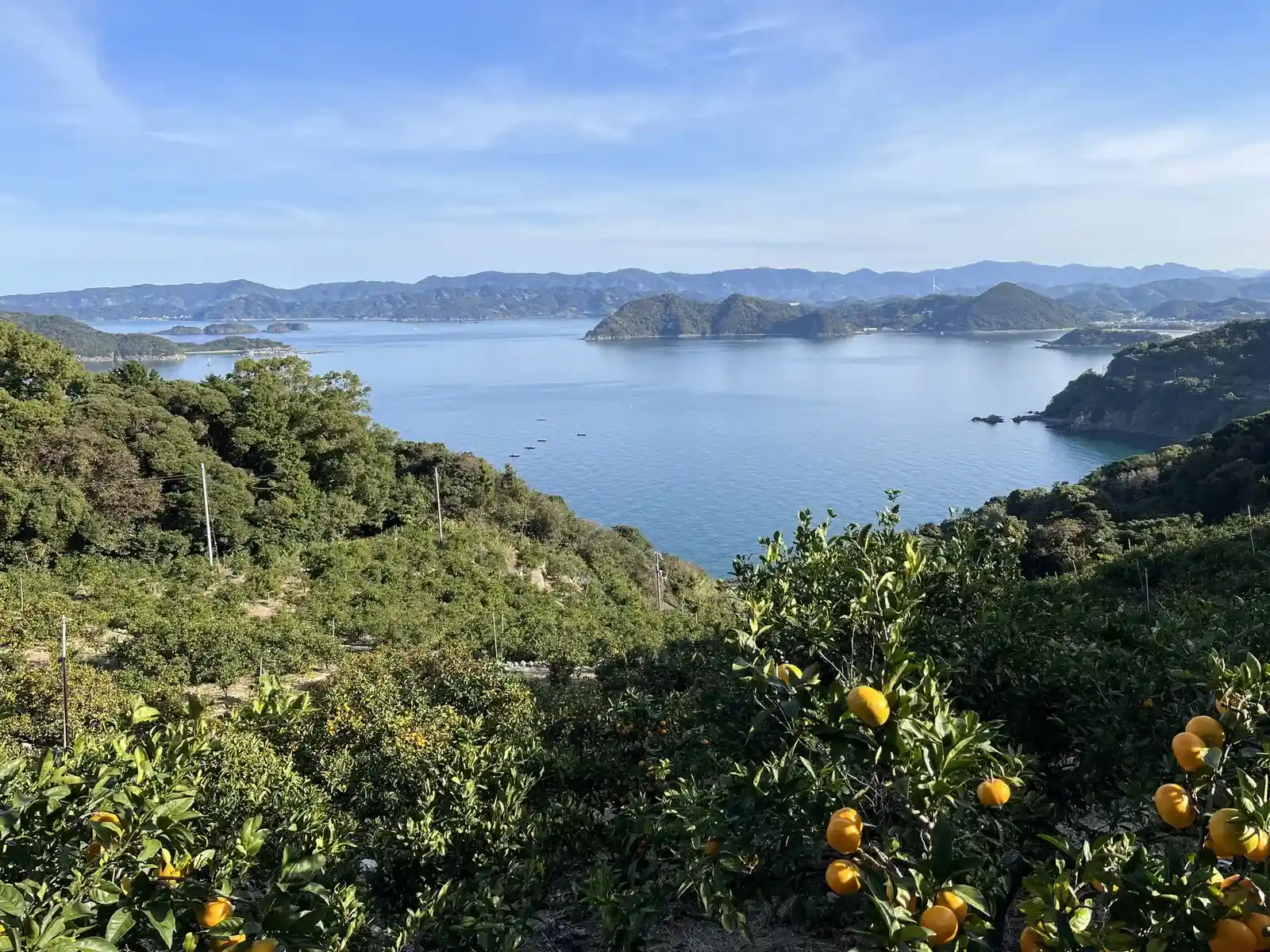
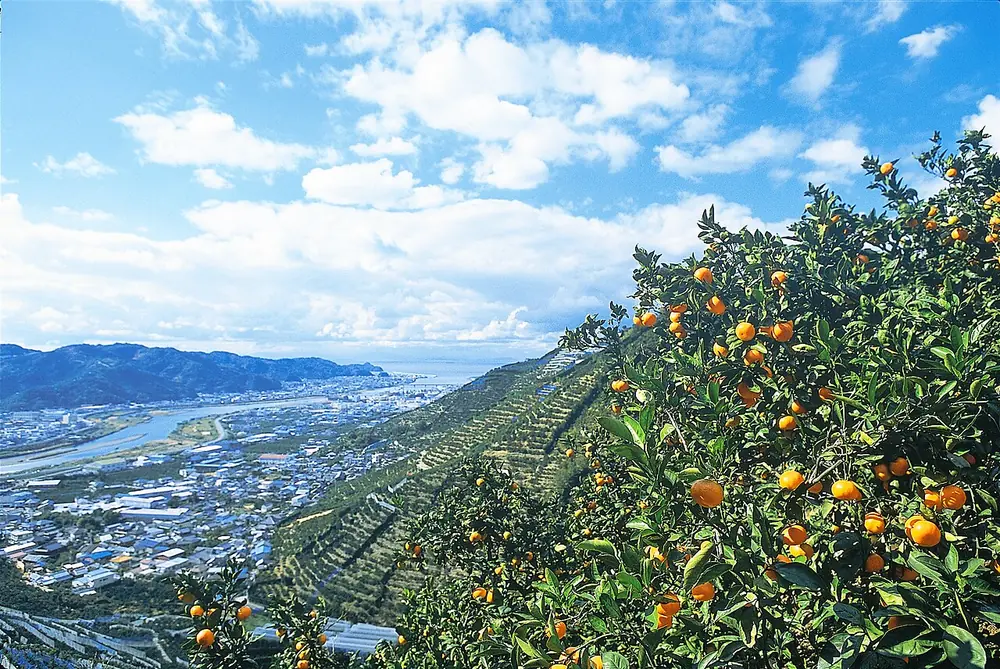
The hillside orchards in the Arita area are Wakayama's representative agricultural landscape. Satsuma mandarins cultivated in hilly terrain have different aromas, peel thicknesses, and sweet-sour balances depending on the variety. You don't have to judge the flavor simply by the size of the fruit.
In addition to fresh fruits in autumn and winter, mandarin orange juice, jam and jelly are also common. The stored mandarin oranges in Shimotsu area can keep the citrus flavor until late winter and early spring.

Kinokawa Peaches: Summer Fragrance
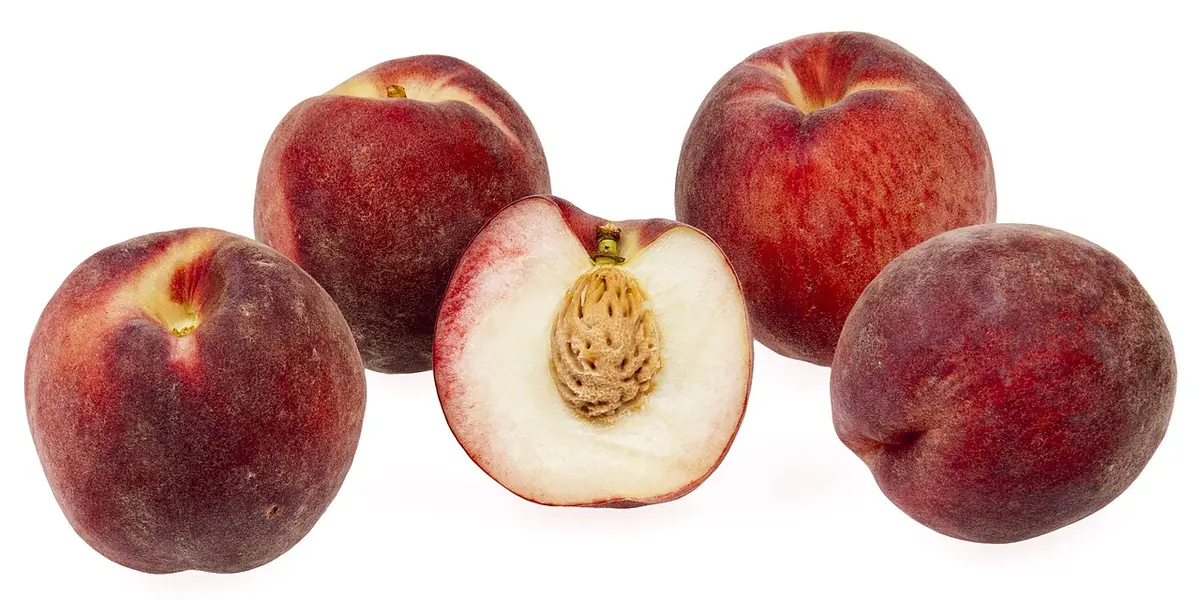
Kinokawa is one of Wakayama’s important peach-growing areas. Arakawa peaches from Momoyama are a distinctive local product registered under Japan’s Geographical Indication protection system.
The sweetness, aroma, and flesh firmness of peaches vary with variety and ripeness. In addition to fresh food in summer, you can also pay attention to fruit parfaits, cakes and juices using seasonal peaches. The peach blossoms in spring and the ripe fruits in summer are completely different scenery of the place of origin.
Wakayama Persimmons: Autumn Flavors
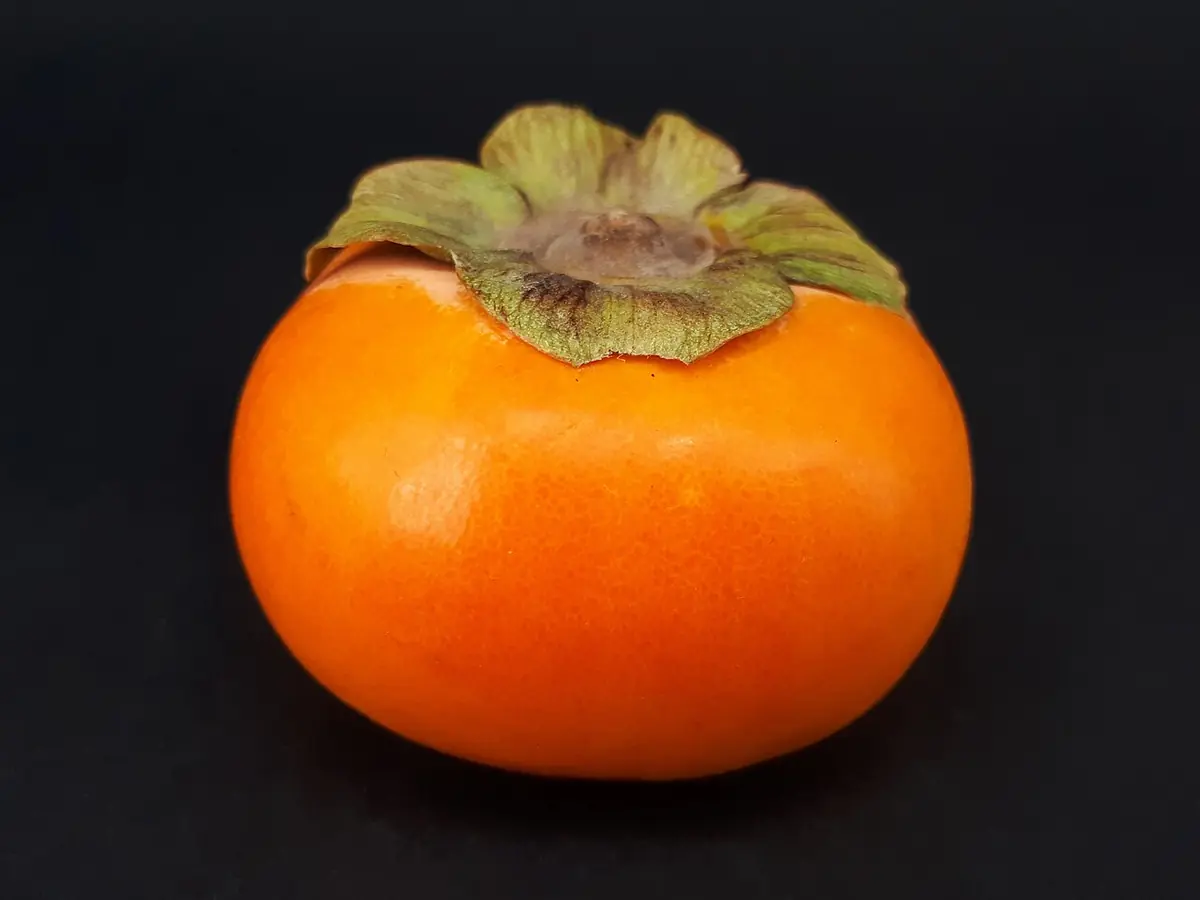
Persimmons are grown in Kinokawa, Katsuragi, Hashimoto and Kudoyama. Kinokawa persimmons are not a single cultivar: their character comes from removing astringency while the fruit is still on the tree. The small brown flecks often seen in the flesh are associated with that process.
Fuyu persimmon is a common sweet persimmon variety that is loved for its crisp taste. In autumn, in addition to fresh persimmons, you can also taste the flavors of different origins, as well as dried persimmons, persimmon desserts and related processed products.
Nanko Ume: Early-Summer Harvests & Preserved Products
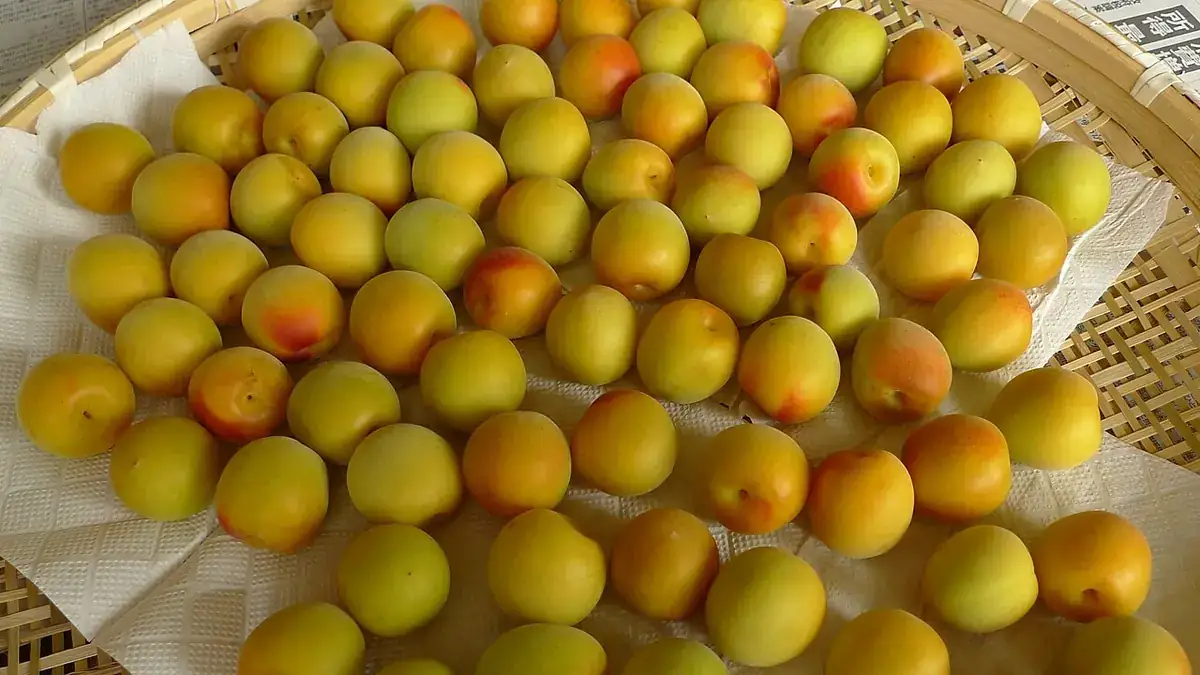
Nanko ume is closely associated with Minabe and Tanabe’s plum-growing industry. Its large fruit and soft flesh make it an important ingredient for umeboshi. After the early-summer harvest, salting and sun-drying produce the tart flavor familiar on Japanese tables.
During your trip, you can compare umeboshi with different salinity and seasoning methods, and you can also learn about the refreshing processed flavors from plum juice, plum jelly and other plum desserts.
Winter & Spring: Strawberries & Hassaku
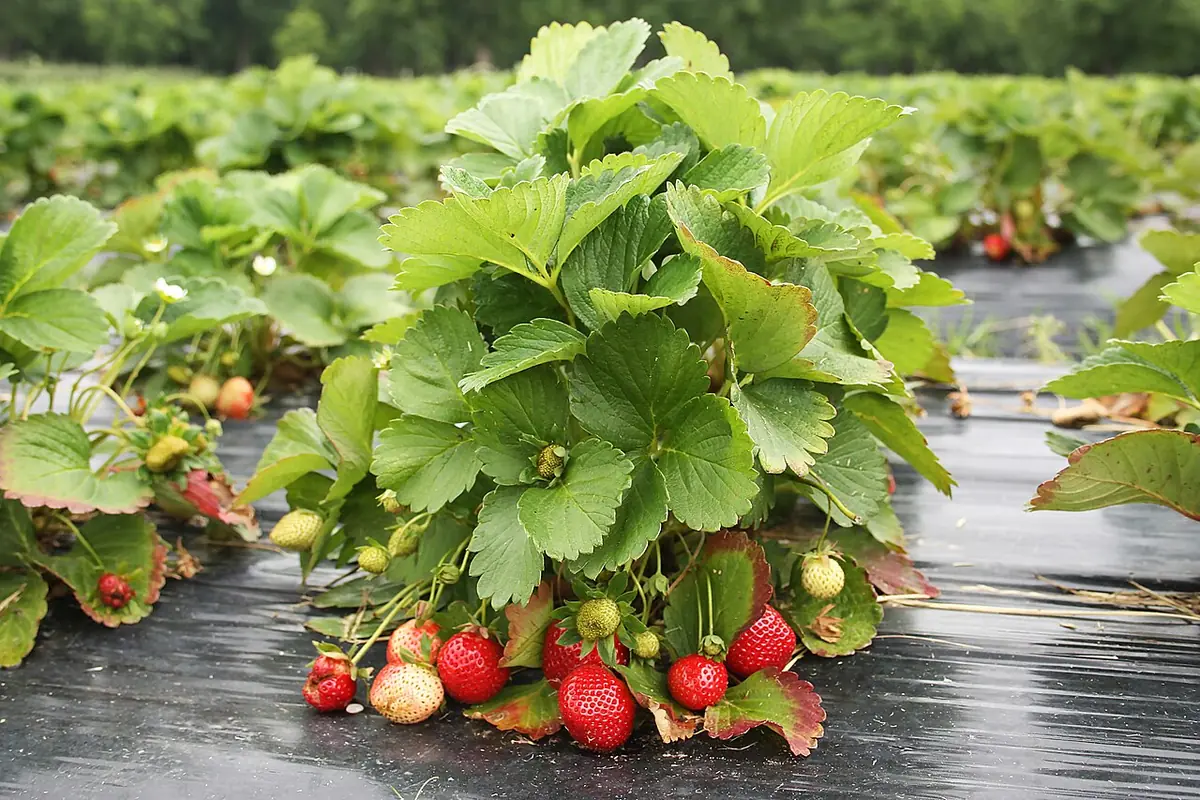
Strawberries grown in Wakayama Prefecture "Marihime has a sweet, juicy flavor with balanced acidity. Hassaku citrus offers a refreshing tartness and slight bitterness, contrasting with sweeter mikan mandarins.
From summer to early autumn, there are also fruits such as grapes, pears, and figs, adding to Wakayama’s seasonal tastes.
Choosing Fruit Desserts & Gifts
- Want to taste the flavors of the season: Pay attention to fresh fruits from the origin, seasonal cakes and fruit desserts.
- Want to choose foods that are easier to preserve: Compares juices, jams, jellies and dried fruits.
- Like sour aroma: Nanko ume plums processed products and Hassaku-related foods are worth paying attention to.
- Like sweetness: You can start with peaches, ripe persimmons and mandarins.
Before taking fruit or food home, check the customs and plant-quarantine rules of your destination. Rules differ by country, and fresh fruit may be prohibited or require documents. For gifts, compare permitted processed foods and check ingredients, storage instructions and best-before dates.
Wakayama Fruit: Frequently Asked Questions
Which Fruits Are Available in Spring?
In winter and spring, strawberries, hassaku and some stored mandarins are represented. The actual supply depends on the variety and seasonal conditions.
How Do Kinokawa and Fuyu Persimmons Differ?
Kinokawa persimmons gain their distinctive character through an on-tree astringency-removal process. Fuyu is a common sweet persimmon cultivar. Their textures and flavors differ.
When Should I Visit for Wakayama Fruit?
There are representative fruits for each season. If you like peaches, you should pay attention to summer; if you like persimmons and mandarins, autumn and winter are the most representative ones.
Explore Wakayama’s Seasonal Food Culture
Wakayama's fruit culture is closely linked to the local landscape, food and agricultural history. If you want to combine Wakayama's products and natural landscapes with other Kansai attractions, you can contact TUKISUMI Kansai Customized Tour according to your travel dates and preferences.
Inquire about Kansai customized toursSource
- Ministry of Agriculture, Forestry and Fisheries of Japan | Arakawa Peaches, Arida mikan mandarins cultivation area
- Wakayama Prefecture | Kinokawa persimmon, Marihime Strawberries
- Taiwan Animal and Plant Health Inspection Agency (for travel to Taiwan) | Regulations for passengers bringing fresh fruits into the country